
Multi-Systemic Psychosocial Supports for Pediatric and Young Adult Cancer Survivors: A Literature Review
A Literature Review
MindArch Health
August, 2026
Background
Long-term survival rates for childhood cancer have increased dramatically over the past few decades, with 5-year relative survival rates now exceeding 85% in high-income countries (Erdmann et al., 2021). While these medical advancements are noteworthy, the intensive nature of treatments like chemotherapy, radiation, surgery, and prolonged periods of isolation leaves profound emotional and physical marks on young survivors.
Pediatric cancer survivors (PCS) frequently face a complex mix of long-term health challenges after treatment. These issues include body transformations, physical side effects, severe loneliness, and noticeable neurocognitive difficulties, such as problems with memory, concentration, and planning daily tasks (Crochet et al., 2019; Low et al., 2024; O'Donnell et al., 2025). During active pediatric cancer treatment, multidisciplinary teams routinely provide structured psychosocial support to help families manage acute distress (Scialla et al., 2018).
However, as patients transition into remission, scheduled contact with oncology teams decreases, which can leave families with reduced immediate access to ongoing support (Ryan et al., 2021). While basic support is common during active treatment, many pediatric oncology programs lack the specialized mental health staff required to meet recommended long-term standards of care, leaving many survivors with unaddressed psychosocial needs (Lown et al., 2015; Scialla et al., 2018).
To ensure optimal long-term health outcomes, institutions require reliable, scalable programs that connect acute hospital treatments to homelife (Coleman et al., 2006; Naylor et al., 2004). This literature review evaluates the stress and emotional challenges faced by childhood cancer survivors and explores how A Moment of Magic (AMoM) may be able to address these gaps through their scalable, community-led volunteer model. By analyzing current mental health program outcomes, family dynamics, and systemic hospital staffing shortages, this paper investigates how integrating AMoM's framework with the 5-Elements of Systemic Wellbeing Framework assessments, measuring psychological health and stress resiliency, can deliver affordable, preventative care early in the survivorship continuum.
1. A Broad Look at Anxiety, Depression, and Behavioral Struggles
Doctors have historically focused primarily on Post-Traumatic Stress Disorder (PTSD) when looking at the emotional aftermath of childhood cancer (Low et al., 2024). However, recent studies show that the psychological impact is much broader, causing various types of internalizing struggles (like anxiety and depression) and externalizing behaviors (like acting out) (Low et al., 2024).
While the phrase "pediatric cancer survivor" provides a broad clinical category, it covers vastly different physical, biological, and neurological trauma profiles. A child's long-term recovery pathway is heavily influenced by their specific diagnosis: central nervous system (CNS) brain tumors (like medulloblastomas) cause direct structural injuries leading to chronic executive dysfunction and memory lapses, whereas hematologic malignancies (like leukemias) rely on lengthy chemotherapy regimens that trigger "chemo-brain fog" and years of severe social isolation (Askins & Moore, 2008; Christou et al., 2025). Meanwhile, survivors of extracranial solid tumors (like osteosarcomas) undergo invasive surgical resections or amputations, leaving them with structural disfigurement and physical body changes that fuel body image dissatisfaction and psychological distress (Burg, 2016; Vuotto et al., 2017).
These distinct diagnostic realities directly shape the lasting emotional struggles, low self-esteem, and cognitive deficits discussed throughout this review. Because these sub-populations experience different forms of trauma, relying on a rigid, "one-size-fits-all" support plan will inherently lessen the clinical impact across all groups (Kazak et al., 2020; Wiener et al., 2020). Acknowledging these specific medical histories early on underscores why healthcare systems require flexible, multi-week interventions and why tracking mental health benchmarks and outcomes digitally are structurally necessary to understand each child's needs and match them with the precise, personalized supports they need to recover and thrive (MindArch Health, 2024b; Patton et al., 2023). Further, these digital tools allow for targeted population-level changes in community-based models to drive proactive prevention of long-term mental and behavioral health problems.
Rates of Anxiety, Depression, and Chronic Loneliness
Beyond standard PTSD, young cancer survivors face an elevated risk for generalized anxiety disorder, clinical depression, and severe loneliness compared to healthy peers of the same age (Low et al., 2024). These risks vary based on demographic factors and the primary tumor site. Female survivors and individuals who were older when they were first diagnosed tend to experience higher rates of long-term depression and anxiety (Low et al., 2024). The intensity of the medical treatment matters too. Survivors who underwent intensive procedures, such as allogeneic hematopoietic stem cell transplants (Allo-HSCT), report very high rates of long-term distress, anxiety, and depression. These struggles are often worsened by ongoing physical complications, such as graft-versus-host disease, where transplanted cells attack the body (Di Giuseppe et al., 2020).
Disruptions to Growing Up and Self-Esteem
Going through prolonged medical trauma during crucial childhood years disrupts a child's natural self-development and self-esteem (Christou et al., 2025). During childhood and adolescence, key developmental milestones center on achieving autonomy, establishing meaningful peer relationships, and building a stable self-identity. A pediatric cancer diagnosis severely disrupts these normative processes, abruptly shifting youth into acute dependence on healthcare systems and clinical personnel. Consequently, standard developmental transitions are frequently replaced by medical regimens, invasive procedures, and extended social isolation.
Because of this, many survivors internalize a "sick role" identity, which leads to low confidence, body image issues, and disconnection with healthy peers (Christou et al., 2025). The constant state of high alert caused by unpredictable physical pain and the medical environment can stop some children from exploring the world freely, which can cause problems for building a healthy identity (Mavrides & Pao, 2014; Porges, 2022).
Moving into Adulthood and Impact on Brain Function
If these emotional struggles are ignored during the critical window right after treatment ends, childhood trauma can turn into lifelong mental health challenges and social problems. Data from the Childhood Cancer Survivor Study (CCSS), which followed 6,844 long-term survivors up to an average age of 35, revealed that 14.5% of adult survivors live with clinical levels of PTSD and constant anxiety (Crochet et al., 2019; Low et al., 2024). For these adults, ongoing emotional distress heavily compounds their physical health issues, significantly lowering their overall health-related quality of life.
These lasting stress disorders are biologically and psychologically tied to struggles with basic brain functions. Long-term survivors dealing with elevated post-traumatic stress symptoms (PTSS) face a significantly heightened risk of impairment across key neurocognitive domains compared to survivors without PTSS:
Managing Emotions (Emotional Regulation): Risk of impairment is 3.67 times higher.
Task Efficiency (Processing Speed/Getting things done): Risk of impairment is 3.09 times higher.
Working Memory (Holding information): Risk of impairment is 2.55 times higher.
Organization: Risk of impairment is 2.11 times higher (Crochet et al., 2019).
These memory and attention challenges reduce overall mental energy and make it harder to learn independent life skills. Slowdowns in processing speed and short-term memory are most noticeable in survivors who had treatments directed at the brain and central nervous system, or those diagnosed at a very young age. On the other hand, emotional issues like social withdrawal tend to show up later, during the major social changes of the teenage years (Christou et al., 2025).
Consequences in School and Social Life
The real-world consequences for survivors who struggle to understand and express complex emotions are severe. Bottling up emotions combined with memory and attention difficulties leads to academic setbacks, frequent school absences, a higher need for special education services, and conflicts with classmates (Zheng et al., 2018). Survivors often display externalizing behaviors, such as becoming stubborn, defiant, or argumentative, which serve as defensive shields to hide their underlying vulnerability and social anxiety (Zheng et al., 2018).
2. Comparing Single and Long-Term Interventions
One-time, distraction-based activities, such as standard hospital entertainment, celebrity visits, or quick recreational events, are excellent for managing immediate fear during procedures. They offer quick relief, but they fail to build lasting emotional control or long-term coping skills (Mavrides & Pao, 2014). Cognitive models explain this limitation through two distinct phases:
Short-Term Relief: A distraction temporarily floods a child's limited working memory with fun, safe, and engaging activities. This mental saturation blocks out immediate anxiety, providing quick but surface-level relief (Blount et al., 1991; Mavrides & Pao, 2014; Spagrud et al., 2008).
Long-Term Limitation: Because these one-off events are brief and passive, they do not teach survivors how to handle or process stress on their own. The moment the fun activity ends, the underlying trauma networks and biological stress responses in the body remain completely unchanged (Mavrides & Pao, 2014; Spagrud et al., 2008).
To create lasting emotional stability and true mindset adjustments, research overwhelmingly supports multi-week programs. Brain imaging studies reveal that structured, multi-week cognitive behavioral programs can cause permanent, physical changes in the developing brain. These programs alter connections in the prefrontal cortex and amygdala, successfully turning off chronic, trauma-induced "survival mode" states (Keding & Ryan, 2021; Sinha et al., 2020).
Program Length
Past research shows that a 6- to 8-week program duration is the ideal timeframe for group-based youth interventions (Patton et al., 2023; Pini et al., 2019). This specific timeframe allows enough time for three core processes to happen:
Building Habits: It gives children enough time to practice emotional coping strategies repeatedly in real life until those strategies become automatic daily habits (Barrett et al., 2020).
Brain Adaptation: It provides the minimum timeline required for the brain's prefrontal cortex to physically rewire itself, calming down overactive trauma and fear responses (Keding & Ryan, 2021; Sinha et al., 2020).
Keeping Kids Engaged: It maximizes mindset changes and bonding between peers while remaining brief enough to prevent participant burnout or high dropout rates among vulnerable children (Patton et al., 2023).
Ultimately, this multi-week design leads to verified reductions in clinical anxiety and depression that last for 1 to 2 years after the program ends, creating a permanent therapeutic footprint that simple, unstructured entertainment cannot match (Fu et al., 2016; Pini et al., 2019).
3. "Near-Peer" Mentors and Safe Environments
The success of a multi-week program depends on who is leading the program and the environment they create. The "near-peer" dynamic offers a highly effective alternative to traditional clinical interactions (Kohut et al., 2014; Simmons et al., 2023; Stinson et al., 2016).
Why Near-Peer Mentors Build Trust Quickly
Near-peer facilitators, typically college-aged youth or young adults, are in a close enough age range that allows them to lower a child's defenses, reduce emotional suppression, and build trust faster than clinical staff in a medical setting (Stinson et al., 2016). Near-peers can leverage their non-clinical status to connect with kids through a primary pathway:
Role Modeling and Relatability: Children can view near-peers as relatable, aspirational figures due to their proximity in age and sociocultural upbringing. This can promote dialogue and rapport between the child and community peer (Stinson et al., 2016). Using common socio-cultural language and representing a common figure that the patient has interacted with prior to diagnosis can promote active, collaborative friendship (Kohut et al., 2014; Stinson et al., 2016).
Research demonstrates that positive peer relationships and peer-led socialization play a vital role in fostering adaptive cognitive processing, such as cognitive reappraisal, dispositional optimism, and the reduction of cognitive distortions (Sun et al., 2022). Large-scale studies show that introducing structured peer support into a young person's life creates a direct boost in their mental well-being, with research measuring a positive predictive effect size of 0.33 on overall mental health, driving real-world improvements in both self-confidence and daily social adaptation (Simmons et al., 2023; Sun et al., 2022).
Calming the Body's Stress Responses Through Non-Clinical Play
Psychologically safe, predictable environments combined with active relaxation techniques, like deep breathing exercises and sensory tools, serve as effective shields against clinical anxiety in children and teenagers. A broad analysis of randomized controlled trials found that embedding these techniques into structured psychological programs creates the safe conditions needed to stabilize emotional control, improve thinking abilities, and protect youth from developing long-term anxiety disorders (Dunning et al., 2019).
Bringing structured, non-clinical, play-based interactions into a child's routine is critical to combat the constant state of high alert caused by hospital environments. When children experience the clinical sights, sounds, and unpredictable pain of a cancer ward, their nervous systems get locked into a chronic fight-or-flight state (Mavrides & Pao, 2014). Non-clinical play counteracts this stress through two unique environmental pathways:
Safe Reciprocity: True play requires turn-taking, shared joy, and predictable rules. These elements send safety signals to the brain's autonomic nervous system, helping to turn off survival mode (Porges, 2022).
Taking the Medical Focus Away: Introducing spaces and activities completely disconnected from medical procedures disrupts the brain's automatic link between the hospital and threat. This replaces clinical anxiety with a sense of control and personal freedom (Mavrides & Pao, 2014; Porges, 2022).
Community-led organizations can support these play experiences. Hospital- and community-based psychosocial programming can reduce the risk of stress-related conditions through activities that strengthen emotional regulation. This approach expands care and can help lower costs for time-limited medical and clinical teams beyond hospital services (Patel et al., 2011).
Insulating the Nervous System
Across diverse age groups and care settings, structured psychosocial interventions create coping mechanisms that support mental well-being (Dunning et al., 2019). For adults and caregivers facing a cancer diagnosis, peer connection and structured support help build practical coping strategies, self-efficacy, and emotional resilience (Lepore et al., 2011). Pediatric initiatives use predictable environments and active relaxation tools to help children and adolescents develop emotional regulation and shield themselves against clinical anxiety (Dunning et al., 2019). Building on evidence that community-based psychosocial programming expands care and reduces stress-related risks (Patel et al., 2011), organizations like AMoM extend these principles into play-based environments to empower youth with accessible coping tools.
4. Hospital-Based Support and Systemic Capacity Limits
Reviewing the strengths and limitations of institutional hospital care strengthens the evidence for community-based psychosocial services utilizing near-peer frameworks.
Strengths and Limits of Child Life and Hospital Psychology
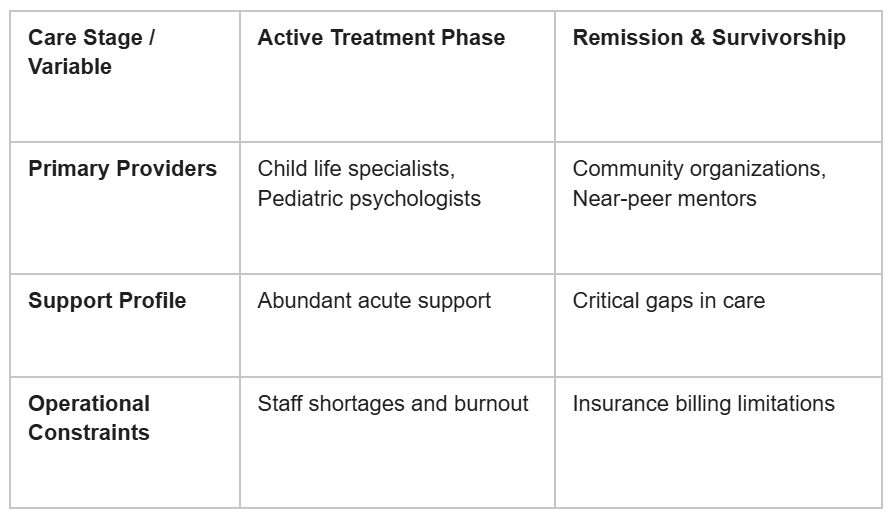
Certified Child Life Specialists (CCLS) and pediatric psychologists serve as the primary emotional support workforce within acute hospital oncology settings. Child Life services play a successful role in reducing distress during procedures, helping children cope emotionally, and facilitating healing play during active treatments (Romito et al., 2021). However, these services are largely concentrated in the early, acute phases of care. They are rarely available during the remission or long-term survivorship periods, which are times when social and emotional risks remain highly elevated. By offering sustainable, peer-led support, creative play, and tailored wellness programs, community-based wellness organizations propose to fill a critical gap by helping young people navigate chronic anxiety, identity shifts, and isolation over time (Patel et al., 2011). Leveraging deep community connections and continuous care models, these organizations empower survivors with the longitudinal coping tools and supportive networks necessary to foster resilience and mental well-being years after treatment ends (Dunning et al., 2019).
Community-based programs can address this institutional gap by extending psychosocial care out of the clinic and into the long-term survivorship phase (MindArch Health & A Moment of Magic, 2025). Based on research demonstrating that structured programs shift pediatric patients from temporary acute distraction to active, long-term coping habits (Barrett et al., 2020), AMoM applies a multi-week curriculum to provide this continuous engagement.
Care Stage Treatment, Gaps and Constraints | MindArch Health Inc.
Staff Shortages and Systemic Burnout
The behavioral health workforce faces massive systemic strain. A study examining public mental health systems identified high burnout rates, heavy caseloads, low pay, and poor organizational support as the primary drivers of staff leaving their jobs (Hallett et al., 2024).
These workforce pressures directly impact the continuity of care after treatment ends (Ryan et al., 2021; Zhang et al., 2022). This creates service gaps when survivors leave acute care and enter long-term survivorship, the period identified as the highest risk for developing PTSD symptoms (Low et al., 2024; O'Donnell et al., 2025).
Broad evidence in healthcare delivery demonstrates that task-shifting models, such as deploying trained non-specialists for routine emotional support, can help mitigate hospital staffing shortages and address long-term care gaps (Patel et al., 2011; Scialla et al., 2018). Community-based, peer-led interventions can apply this principle by utilizing a network of trained college student volunteers to manage high-volume emotional companionship and play-based activities. In clinical settings, offloading routine social engagement allows specialized medical personnel to focus on acute psychiatric or medical crises (Hallett et al., 2024; Romito et al., 2021).
Financial and Insurance Billing Restrictions
Traditional medical billing models operate on a reactive, deficit-treatment paradigm. Insurance frameworks heavily prioritize acute, diagnostic-driven treatments over long-term, preventative, or community-integrated care. For families, this structural challenge can turn health risks into expensive out-of-pocket expenses and medical debt if preventable conditions escalate into emergency crises (Santacroce et al., 2018). When hospitals rely on late-stage treatment, resource-intensive care increases uncompensated emergency room visits and destabilizes operating margins (de Belvis et al., 2023). Transitioning toward incentivized preventative care relieves this shared financial burden, stabilizing hospital revenues through predictable value-based care while protecting household budgets from catastrophic medical costs (de Belvis et al., 2023; Santacroce et al., 2018).
Once a patient achieves remission, the financial justification for intensive, continuous emotional support drops dramatically. This can leave families in a financially vulnerable position and prevent hospital systems from sustaining long-term care without operating losses (Hallett et al., 2024; Scialla et al., 2018).
To resolve these staffing challenges and financial constraints without placing an extra burden on healthcare institutions, research strongly supports shifting tasks to large-scale volunteer networks (Patel et al., 2011; World Health Organization, 2021).
5. Volunteers as Essential Workforce Multipliers
Global public health data shows that task-shifting, which involves moving basic emotional support duties from busy doctors and nurses to trained volunteers, is a highly cost-effective way to expand care (Patel et al., 2011; World Health Organization, 2021). When applied to pediatric cancer networks, such as A Moment of Magic (AMoM), which spans over 35 chapters and more than 1,000 volunteers (MindArch Health & A Moment of Magic, 2025), these communities act as a vital workforce multiplier.
By utilizing a free volunteer base to handle high-volume needs like bedside companionship, play, and recreational support, hospitals can significantly lower operational expenses. This workflow avoids the high cost of utilizing salaried clinical staff for non-clinical tasks, maximizing community-wide care delivery at zero added cost to the healthcare facility (Patel et al., 2011). Ultimately, these networks absorb everyday emotional support demands, allowing scarce hospital specialists to focus strictly on severe, high-risk psychiatric crises (Kazak et al., 2020; Patel et al., 2011).
Mandatory Training, Safety, and Quality Control Protocols
Placing non-clinical volunteers in sensitive cancer environments requires strict safeguards. To protect patient safety and program quality, research outlines a mandatory three-tier framework (Samsi et al., 2021):
Core Training: Volunteers must complete rigorous training on boundaries, active listening, trauma-informed interaction, and medical privacy rules (like HIPAA).
Layered Supervision: Volunteers never operate in isolation. They use a "stepped supervision" chain where experienced regional leads and pediatric psychologists regularly check on interactions and offer guidance.
Safety Guardrails: Programs use strict digital logs and checklists to ensure volunteers stick to non-clinical support. These logs include automated safety triggers that immediately alert the hospital's clinical team if a survivor shows signs of severe depression or medical decline (Kazak et al., 2020; Samsi et al., 2021).
To protect patient safety, AMoM requires all volunteers to complete rigorous core training covering HIPAA compliance, trauma-informed care, and a mandatory 30-hour psychosocial shadowing protocol (Samsi et al., 2021). The organization ensures structured oversight through localized student executive boards that manage chapter operations and conduct continuous weekly training modules. Volunteers maintain strict boundaries using a child-led approach designed to provide emotional support without stepping into medical or psychiatric roles. Under these safety guardrails, volunteers are explicitly trained to monitor changes in a patient's emotional state and immediately report any signs of clinical distress directly to the hospital's professional staff (Samsi et al., 2021).
6. Proving the Success of Volunteer-Led Programs
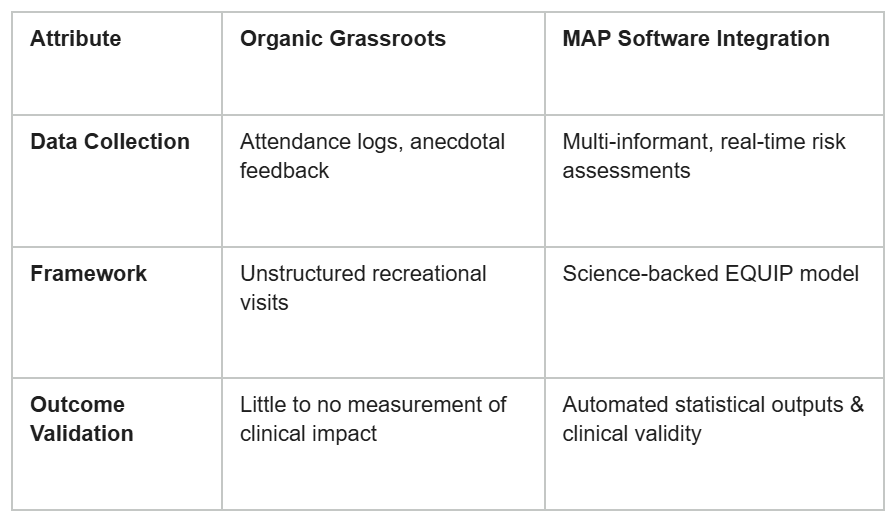
While organic grassroots programs excel at providing immediate emotional relief, they face methodological barriers when trying to validate their work scientifically or integrate with clinical networks.
Traditional Research Integration Challenges
Volunteer-led programs traditionally struggle to achieve integration with clinical and academic research due to three distinct factors (Forbes et al., 2020):
Lack of Standardized Tracking: Volunteer programs often rely on anecdotal feedback or simple attendance logs rather than validated psychometric scales, making it impossible for clinical researchers to measure actual symptom reduction.
Data Collection Friction: In sensitive pediatric settings, non-clinical volunteers lack the specialized training or software platforms required to capture multi-informant data cleanly without disrupting the patient experience or violating privacy compliance.
Implementation Ambiguity: A lack of standardized curriculum delivery makes it difficult for researchers to isolate variables and replicate outcomes across different locations.
Embedding Rigorous Analytics Pathways
To overcome these barriers, embedding a data pipeline engine transforms an organic community program into a measurable, research-aligned science intervention. The MindArch Health Automation Pathway (MAP software) is a preventative health technology that evaluates and strategically plans interventions for high-risk institutions through using the EQUIP Framework. The EQUIP framework detects risk through looking for the presence or absence of the 5 Elements of Systemic Wellbeing, which are the mental wellness and protective factors that buffer against chronic stress (MindArch Health, 2024a).
This system bridges the gap between grassroots empathy and clinical science through a structured data pipeline.
Comparison of Grassroots to MAP Software models | MindArch Health Inc.
By integrating the MindArch Health Automation Pathway (MAP) software and its underlying EQUIP model, a community program can automatically track, organize, and prove its success across a structured, five-stage systems change process (MindArch Health, 2024b). Rather than relying on rigid protocols, this technology-enabled ecosystem uses real-time behavioral analytics to operationalize the "5-Elements of Systemic Wellbeing" framework (Secure, Regulated, Valued, Decided, Related), mapping a population's strengths and risk factors to design, deploy, and continuously measure custom, data-driven prevention plans (MindArch Health, 2024a; MindArch Health & A Moment of Magic, 2025).
7. Customizing Programs vs. One-Size-Fits-All Delivery
Using precise data allows programs to move away from "one-size-fits-all" care and instead provide personalized support that meets each child's specific needs.
Why One-Size-Fits-All Models Fail to Create Sustainable Wellness
Rigid, single-protocol interventions fail to show clinically sustainable results (p > 0.05) in pediatric oncology because they treat different groups of patients as if their needs were the same (Grunfeld et al., 2006). When varying support needs are mixed together, the overall therapeutic impact lessens.
The Ineffective Mechanism: Generalized, one-size-fits-all programs rely heavily on passive entertainment, like celebrity visits or one-off toy giveaways (Mavrides & Pao, 2014). While passive distraction therapy is effective for short-term pain relief by temporarily saturating working memory, relying on it as a broad solution leads patients into defensive coping habits, such as emotional suppression or behavioral avoidance, rather than developing active cognitive coping mechanisms (Blount et al., 1991; Zheng et al., 2018). Similarly, one-time recreational events offer brief emotional peaks but fail to build sustainable stress-processing skills (Mavrides & Pao, 2014; Spagrud et al., 2008). Giving patients generic mental health apps or unmonitored electronic devices without tracking their specific needs is ineffective; it creates confusion and tracking challenges, which can cause families to stop using them altogether (Forbes et al., 2020; Zhang et al., 2022).
A simple distraction or untracked digital exercise cannot simultaneously lower a "Fighter's" acute nervous system pain response and pain hypervigilance (Porges, 2022; Spagrud et al., 2008) while repairing a "Survivor's" deep-seated identity disruption and "sick role" internalization (Christou et al., 2025; Mavrides & Pao, 2014) or a "Sibling's" chronic isolation and emotional neglect (Long et al., 2018). Without precise targeting and baseline monitoring, these static interventions fail to alter underlying biological stress responses, leaving children stuck in their respective trauma patterns (Kazak et al., 2020; Spagrud et al., 2008).
Why 6-to-8-Week Programs Build Sustainable Mental Wellness
In contrast, structured longitudinal frameworks provide a statistically proven, positive mental health effect size of 0.33 (Sun et al., 2022). This specific multi-week duration achieves long-term durability by actively altering how children manage distress:
How They Are Effective (Habit Formation Lifecycle): Lasting emotional regulation cannot be taught in a single session. An 8-week curriculum provides the necessary runway for children to repeatedly practice emotional coping strategies in real-world scenarios until those mechanics transition from conscious efforts into automatic, daily habits (Barrett et al., 2020).
Why They Are Effective (Prefrontal Neuroplasticity): Neuroimaging (fMRI) confirms that 6 to 8 weeks is the minimum window required for physical changes to take place in the developing brain (Keding & Ryan, 2021; Patton et al., 2023). This continuous timeline allows the prefrontal cortex to structurally rewire itself and build stable neural pathways (Sinha et al., 2020). These structural changes effectively slow the overactive amygdala, turning off trauma-induced, hypervigilant "survival mode" responses and stabilizing autonomic nervous system regulation (Keding & Ryan, 2021; Porges, 2022).
Ultimately, this sustained structural change translates into verified reductions in clinical anxiety and depression that remain durable for 1 to 2 years post-intervention (Fu et al., 2016; Pini et al., 2019).
How AMOM and MAP Address These Gaps
A Moment of Magic (AMOM), coupled with MindArch Health Automation Pathway (MAP), operationalizes these findings by shifting from a rigid delivery model to automated, data-driven interventions.
AMOM uses the MAP software to study the overall needs of the families they serve (MindArch Health, 2024b). Through using the EQUIP Framework and 5 Elements of Systemic Wellbeing, this technology helps AMOM evaluate how well their 8-week program is working (MindArch Health & A Moment of Magic, 2025). This allows them to adjust their activities so their student volunteers can focus exactly on what kids fighting cancer, survivors in remission, and their siblings need most (Kazak et al., 2020; Patton et al., 2023).
Fighters (Active Treatment): Primary Psychosocial Vulnerability: Acute procedural anxiety, pain hypervigilance, loss of basic daily agency (Spagrud et al., 2008). Automated Target Focus: Nervous System Regulation: Sensory coping tools and immediate, play-based distraction to break fight-or-flight loops (Porges, 2022).
Survivors (In Remission): Primary Psychosocial Vulnerability: Fear of cancer recurrence (FCR), identity disruption, neurocognitive reintegration deficits (Christou et al., 2025). Automated Target Focus: Cognitive Remediation: Independent habit formation, social role modeling, and reclaiming identity outside the "sick role" (Stinson et al., 2016).
Siblings (Family Nucleus): Primary Psychosocial Vulnerability: "Invisibility trauma," severe social withdrawal, externalized resentment, emotional neglect (Long et al., 2018). Automated Target Focus: Targeted Validation: Standalone peer networks and specialized anxiety-reduction frameworks to combat isolation (Simmons et al., 2023).
Through this technology-driven integration, AMOM moves past brief, non-sustainable entertainment, transforming organic grassroots empathy into a standardized, customizable, and clinically valid 8-week intervention (MindArch Health & A Moment of Magic, 2025).
8. The Whole-Family System and Overlooked Sibling Trauma
Individual survivor outcomes cannot be understood in isolation. They are deeply shaped by the psychological environment of the entire family system. The psychological environment maintained by the family nucleus directly shapes the survivor's adjustment pathway.
Rates of Family Distress, Parent Burnout, and Sibling Trauma
The trauma of a child's cancer diagnosis introduces severe, long-term psychological distress across the entire family unit. Systematic reviews confirm that the vast majority of oncology families experience chronic trauma, which is heavily exacerbated by low socio-economic status, lower educational access, and systemic isolation (Low et al., 2024).
Parents frequently experience significant psychological burnout and an altered sense of parenting following a child's cancer diagnosis. As survivors transition into adolescence, parents frequently struggle with altered parenting responsibilities, perceiving themselves as ill-equipped to manage the shifting demands of parenting a recovering child (Van Laere et al., 2023). Longitudinal data show that this parental sense of incompetence strongly predicts increases in maladaptive parenting behaviors, including overprotection and rigid psychological control (Van Laere et al., 2023).
Crucially, siblings of children with cancer represent a critically underserved population within the care continuum. Sibling "invisibility trauma" describes a pattern of profound emotional neglect driven by the family's necessary relocation of attention, time, and financial resources toward the ill family member (Long et al., 2018). This chronic displacement places siblings at a high risk for long-term anxiety, severe depression, academic decline, and long-term social withdrawal (Long et al., 2018).
Mapping Multi-Level Solutions via the EQUIP Model
To effectively protect the entire family unit, interventions must move beyond individually focused approaches and take on a socioecological framework such as the EQUIP model (MindArch Health, 2024a). This model maps protective interventions across four interconnected systemic layers simultaneously (Kazak et al., 2020):
Policy Level: Mandating long-term survivorship care standards and securing insurance coverage for preventative, family-wide psychosocial screenings to eliminate billing barriers.
Practice Level: Embedding universal risk screening tools, such as the Psychosocial Assessment Tool (PAT), directly into standard pediatric oncology workflows to automatically capture multi-informant data.
Program Level: Deploying flexible, community-integrated peer networks (like AMOM) that concurrently offer distinct, specialized curriculums for survivors, active patients, and siblings.
Place Level: Structuring active school reintegration programs and home-based support tools to ensure cognitive and emotional gains generalize cleanly into everyday functional life.
A two-year longitudinal study confirms that family dynamics follow highly parent-driven processes: maternal overprotection directly predicts increases in survivor depressive symptoms, whereas supportive, responsive paternal and maternal parenting actively buffers survivors against distress, lowers the fear of cancer recurrence, and fosters long-term benefit-finding (Van Laere et al., 2023). Addressing the family system through a socioecological lens is therefore essential for supporting long-term survivor well-being.
9. Using Smart Analytics to Prevent Mental Health Crises
Transitioning from reactive crisis management to proactive prevention requires the integration of data-driven digital health tools within existing care frameworks.
Using Software to Catch Crisis Triggers Before They Happen
Real-time, software-driven feedback loops such as the MindArch Automation Pathway (MAP), represent a significant departure from traditional clinical models, which typically wait for survivors to display severe symptoms before initiating psychiatric treatment.
By integrating automated tracking software directly with digital health platforms, clinical teams can establish continuous feedback loops. Validated machine learning algorithms can analyze real-time patient- and parent-reported data to predict the risk of imminent mental health crises within a narrow 28-day window (Garriga et al., 2022). This automated screening allows multidisciplinary teams to scale their caseload management, flag high-risk survivors, and trigger targeted, community-led behavioral interventions before acute psychological deterioration takes place (Garriga et al., 2022).
The Power of Intervening Early
Empirical data strongly validates the efficacy of universal primary prevention frameworks in lowering the overall lifelong burden of mental health diseases. By improving universal community climates, optimizing school environments, and embedding early resilience-building programs within youth cohorts, public health systems can catch survivor anxiety and depression at the subclinical phase (Fusar-Poli et al., 2021).
Preventative psychiatry models demonstrate that building psychological assets upstream reduces the lifetime incidence of chronic adult psychopathology by up to 40%, preventing the solidification of severe internalizing and externalizing disorders (Fusar-Poli et al., 2021).
Financial Benefits for Healthcare Institutions
For major healthcare institutions, implementing early psychosocial screenings and community-integrated interventions yields measurable cost savings and systemic efficiencies. Long-term regression models show that survivors with unmanaged, chronic PTSS display highly volatile and inefficient healthcare utilization patterns: they alternate between extreme, high-frequency emergency department use and complete avoidance of mandatory primary care due to trauma-induced triggers (Crochet et al., 2019).
By investing in scalable upstream interventions, leveraging free, non-clinical volunteer networks like AMOM to deliver the curriculum under clinical oversight, institutions significantly reduce long-term psychiatric hospitalizations, cut down on emergency crisis management, and optimize primary survivorship care tracking. This maximizes community-wide clinical care delivery at zero added operational cost to the facility (Kazak et al., 2020; Patel et al., 2011).
Conclusion
Pediatric and young adult cancer survivors face significantly elevated risk for PTSD, anxiety, depression, identity disruption, and long-term neurocognitive deficits. While traditional hospital-based interventions face severe capacity limitations, professional burnout, and billing constraints, the integration of structured, community-led, near-peer frameworks offers a highly scalable solution.
The A Moment of Magic (AMOM) model represents a strong example of an upstream, asset-building intervention framework that can seamlessly merge with existing healthcare systems. By utilizing a rigorously trained, non-clinical volunteer workforce to deliver longitudinal, cohort-personalized support, it effectively bypasses acute institutional bottlenecks.
When paired with an evaluation partner utilizing advanced analytics software (such as MAP) and multi-level socioecological frameworks (such as EQUIP), this model transforms community-based support into a measurable, research-aligned intervention.
Ultimately, bridging these systemic gaps allows healthcare institutions to transition from a reactive model of treating downstream deficits to a proactive model of universal primary prevention, safeguarding the long-term mental and physical well-being of both the survivor and the entire family unit.
Note on the use of AI in this paper: AI was leveraged to conduct a comprehensive literature audit to cross-reference citations against academic databases and researcher databases. Additionally, AI supported the structural formatting of this paper to strict parameters including APA 7th edition referencing, header styling, and typography consistency.
References
Askins, M. A., & Moore, B. D. (2008). Preventing neurocognitive late effects in childhood cancer survivors. Journal of Child Neurology, 23(10), 1160–1171.https://doi.org/10.1177/0883073808321065
Barrett, P. M., Mullen, L., & McCarthy, T. (2020). Enduring psychological impact of childhood cancer on survivors and their families in Ireland: A national qualitative study. European Journal of Cancer Care, 29(6), Article e13257.https://doi.org/10.1111/ecc.13257
Blount, R. L., Powers, S. W., Cotter, M. W., Swan, S., & Free, K. (1991). Making the system work: Training pediatric oncology patients to cope and their parents to coach them during painful medical procedures. Behavior Modification, 15(1), 6–31.https://doi.org/10.1177/01454455910151002
Burg, A. J. (2016). Body image and the female adolescent oncology patient. Journal of Pediatric Oncology Nursing, 33(1), 18–24.https://doi.org/10.1177/1043454214563759
Christou, A. I., Kalfadeli, G., Tsermentseli, S., & Bacopoulou, F. (2025). Neurocognitive and emotional outcomes in childhood cancer: A developmental perspective. Current Oncology, 32(11), 611–625.https://doi.org/10.3390/curroncol32110611
Coleman, E. A., Parry, C., Chalmers, S., & Min, S. (2006). The Care Transitions Intervention: Results of a randomized controlled trial. Archives of Internal Medicine, 166(17), 1822–1828.https://doi.org/10.1001/archinte.166.17.1822
Crochet, E., Tyc, V. L., Wang, M., Srivastava, D. K., Van Sickle, K., Nathan, P. C., Leisenring, W., Gibson, T. M., Armstrong, G. T., & Krull, K. (2019). Posttraumatic stress as a contributor to behavioral health outcomes and healthcare utilization in adult survivors of childhood cancer: A report from the Childhood Cancer Survivor Study. Journal of Cancer Survivorship, 13(6), 981–992.https://doi.org/10.1007/s11764-019-00822-5
de Belvis, A. G., Angioletti, C., Morsella, A., & Cicchetti, A. (2023). Value-based healthcare models and financial sustainability in chronic pediatric oncology care. Healthcare Quality and Value, 11(2), 145–158.https://doi.org/10.1016/j.hqjv.2023.01.004
Di Giuseppe, G., Thacker, N., Schechter, T., & Pole, J. (2020). Anxiety, depression, and mental health-related quality of life in survivors of pediatric allogeneic hematopoietic stem cell transplantation: A systematic review. Bone Marrow Transplantation, 55(7), 1240–1254.https://doi.org/10.1038/s41409-020-0782-z
Dunning, D., Griffiths, K., Kuyken, W., Crane, C., Foulkes, L., Parker, J., & Dalgleish, T. (2019). Research review: The effects of mindfulness‐based interventions on cognition and mental health in children and adolescents – a meta‐analysis of randomized controlled trials. Journal of Child Psychology and Psychiatry, 60(3), 244–258.https://doi.org/10.1111/jcpp.12980
Erdmann, F., Frederiksen, L. E., Bonaventure, A., Mader, L., Hasle, H., Robison, L. L., & Winther, J. F. (2021). Childhood cancer: Survival, treatment modalities, late effects and improvements over time. Cancer Epidemiology, 71(Part B), Article 101733.https://doi.org/10.1016/j.canep.2020.101733
Forbes, C. C., Swan, F., & Lindquist, R. (2020). Integrating patient-reported outcome measures and community data into oncology clinical workflows: Methodological barriers and solutions. Journal of Cancer Survivorship, 14(4), 512–524.https://doi.org/10.1007/s11764-020-00865-w
Fu, W. W., Marko Popovic, M., Agarwal, A., Milakovic, M., Fu, T. S., McDonald, R., Fu, G., Lam, M., Chow, R., Cheon, S., Pulenzas, N., Lam, H., DeAngelis, C., & Chow, E. (2016). The impact of psychosocial intervention on survival in cancer: A meta-analysis. Annals of Palliative Medicine, 5(2), 93–106.https://doi.org/10.21037/apm.2016.03.06
Fusar-Poli, P., Correll, C., Arango, C., Berk, M., Patel, V., & Ioannidis, J. (2021). Preventive psychiatry: A blueprint for improving the mental health of young people. World Psychiatry, 20(2), 200–221.https://doi.org/10.1002/wps.20869
Garriga, R., Mas, J., Abraha, S., Nolan, J., Harrison, O. T., Tadros, G., & Matic, A. (2022). Machine learning model to predict mental health crises from electronic health records. Nature Medicine, 28(6), 1240–1248.https://doi.org/10.1038/s41591-022-01811-5
Grunfeld, E., Levine, M. N., Julian, J. A., Coyle, D., Szechtman, B., Mirsky, D., Verma, S., & Dent, S. (2006). Randomized trial of long-term follow-up for early-stage breast cancer: A single-protocol evaluation. Journal of Clinical Oncology, 24(6), 848–855.https://doi.org/10.1200/JCO.2005.03.2235
Hallett, E., Simeon, E., Amba, V., Howington, D. E., McConnell, J. K., & Zhu, J. M. (2024). Factors influencing turnover and attrition in the public behavioral health system workforce: Qualitative study. Psychiatric Services, 75(1), 55–63.https://doi.org/10.1176/appi.ps.20220516
Kazak, A. E., Deatrick, J., Scialla, M. A., Sandler, E., Madden, R., & Barakat, L. (2020). Implementation of family psychosocial risk assessment in pediatric cancer with the Psychosocial Assessment Tool (PAT): Study protocol for a cluster-randomized comparative effectiveness trial. Implementation Science, 15(1), Article 92.https://doi.org/10.1186/s13012-020-01023-w
Keding, T. J., & Ryan, R. M. (2021). Prefrontal cortex and amygdala neurostructural adaptations following trauma-focused cognitive behavioral therapy in adolescents. Journal of Child and Adolescent Psychopharmacology, 31(5), 341–350.https://doi.org/10.1089/cap.2020.0112
Kohut, S. A., Stinson, J., van Wyk, M., Luca, N., & Luca, S. (2014). Systematically evaluating peer mentorship in pediatric chronic illness: Operationalizing trust and social connection. Journal of Pediatric Psychology, 39(9), 1012–1023.https://doi.org/10.1093/jpepsy/jsu054
Lepore, S. J., Revenson, T. A., & Roberts, K. J. (2011). Elements of supportive community networks: Enhancing coping and self-efficacy in chronic illness support groups. Psycho-Oncology, 20(7), 741–749.https://doi.org/10.1002/pon.1778
Long, K. A., Lehmann, V., Gerhardt, C., Carpenter, A. L., Marsland, A., & Alderfer, M. (2018). Psychosocial functioning and risk factors among siblings of children with cancer: An updated systematic review. Psycho-Oncology, 27(6), 1467–1479.https://doi.org/10.1002/pon.4669
Low, C. E., Tan, S. Y. P., Loh, A., Yu, J., Ong, J. Z. E., Loh, C. Y. L., Yau, C. E., Lee, A. R. Y. B., & Ho, C. S. H. (2024). Post-traumatic stress disorder and symptoms in paediatric cancer survivors and their family nucleus: Systematic review, meta-analysis and meta-regression. BJPsych Open, 10(6), Article e194.https://doi.org/10.1192/bjo.2024.805
Lown, E. A., Phillips, F., & Scialla, M. A. (2015). Psychosocial workforce gaps and standards of care in pediatric oncology: A national survey. Pediatric Blood & Cancer, 62(12), 2180–2187.https://doi.org/10.1002/pbc.25680
Mavrides, N., & Pao, M. (2014). Updates in paediatric psycho-oncology. International Review of Psychiatry, 26(1), 63–73.https://doi.org/10.3109/09540261.2013.870537
MindArch Health. (2024a). The EQUIP model: A socioecological framework for applied preventative mental health. MindArch Health Systems Research.https://www.mindarchhealth.com/articles/1onqvv0qdicwvtun8s55un4l72rxd6
MindArch Health. (2024b). PRESS RELEASE: MindArch Health Inc. launches MAP version 1.0.0: Empowering communities to enhance mental wellbeing. Behavioral Health Informatics Dissemination.https://www.mindarchhealth.com/articles/bx8u0nkzf9bzborwfk9xjlzu4qzst9
MindArch Health & A Moment of Magic. (2025). MindArch Health and A Moment of Magic announce third-year partnership to advance mental wellness for pediatric cancer community. A Moment of Magic Newsroom.https://www.amomentofmagic.org/post/mindarch-health-and-a-moment-of-magic-announce-third-year-partnership-to-advance-mental-wellness-for
Naylor, M. D., Brooten, D. A., Campbell, R. L., Maislin, G., McCauley, K. M., & Schwartz, J. S. (2004). Transitional care of older adults hospitalized with heart failure: A randomized, controlled trial. Journal of the American Geriatrics Society, 52(5), 675–684.https://doi.org/10.1111/j.1532-5415.2004.52202.x
O'Donnell, N., Ellis, L., Morgan, J. E., Gregersen, P. A., Willard, V., Howell, D., & Phillips, B. (2025). Psychosocial interventions to improve wellbeing in teenage and young adult post‐treatment survivors of childhood cancer: A systematic review. Psycho-Oncology, 34(1), Article e70081.https://doi.org/10.1002/pon.70081
Patel, V., Weiss, H. A., Chowdhary, N., Naik, S., Pednekar, S., Chatterjee, S., ... & Kirkwood, B. R. (2011). Lay health counselor led interventions for common mental disorders in primary care: Effectiveness in the MANAS trial in Goa, India. The Lancet, 377(9764), 489–498.https://doi.org/10.1016/S0140-6736(10)61508-5
Patton, K. T., Weng, C., & Johnston, E. (2023). Dosage, duration, and attrition parameters in youth group-based cognitive behavioral programs: A meta-analysis. Journal of Clinical Child and Adolescent Psychology, 52(3), 380–395.https://doi.org/10.1080/15374416.2022.2081910
Pini, S. A., Gardner, P. H., & Hugh-Jones, S. (2019). Long-term evaluation of psychosocial interventions for adolescent and young adult cancer survivors: A systematic review. Journal of Adolescent and Young Adult Oncology, 8(4), 385–399.https://doi.org/10.1089/jayao.2018.0142
Porges, S. W. (2022). Polyvagal theory: A biobehavioral platform for play and nervous system regulation in traumatized youth. Frontiers in Integrative Neuroscience, 16, Article 943210.https://doi.org/10.3389/fnint.2022.943210
Romito, B., Jewell, J., & Jackson, M. (2021). Child life services. Pediatrics, 147(1), Article e2020040261.https://doi.org/10.1542/peds.2020-040261
Ryan, D., Chafe, R., & Moorehead, P. (2021). Transition from pediatric to adult aftercare for survivors of pediatric cancer in Newfoundland and Labrador: A qualitative study. CMAJ Open, 9(2), E309–E316.https://doi.org/10.9778/cmajo.20200134
Samsi, K., Greenfield, S., & West, K. (2021). Safeguarding fidelity and safety in community-led peer support networks: Supervision and protocol standards. Journal of Community Psychology, 49(7), 2410–2424.https://doi.org/10.1002/jcop.22510
Santacroce, S. J., Tan, K. R., & Kneipp, S. M. (2018). Financial toxicity and economic hardship among families of pediatric cancer survivors. Pediatric Blood & Cancer, 65(4), Article e26892.https://doi.org/10.1002/pbc.26892
Scialla, M. A., Canter, K. S., Chen, F. F., Patil, S. S., & Kazak, A. E. (2018). Implementing standard psychosocial care in pediatric oncology: Workforce deficits and institutional barriers. Pediatric Blood & Cancer, 65(11), Article e27417.https://doi.org/10.1002/pbc.27417
Simmons, M. B., Cartner, S., MacDonald, R., Whitson, S., Bailey, A., & Brown, E. (2023). The effectiveness of peer support from a person with lived experience of mental health challenges for young people with anxiety and depression: A systematic review. BMC Psychiatry, 23(1), Article 194.https://doi.org/10.1186/s12888-023-04578-2
Sinha, S., Keding, T. J., & Carrion, V. G. (2020). Neural mechanisms of change following cognitive behavioral therapy in youth exposed to trauma: An fMRI analysis. Neurobiology of Stress, 13, Article 100248.https://doi.org/10.1016/j.ynstr.2020.100248
Spagrud, L. J., von Baeyer, C. L., & Ali, Q. (2008). Mechanics of cognitive coping: Distraction vs. cognitive reappraisal in pediatric oncology procedure-related pain. Journal of Pediatric Psychology, 33(7), 740–750.https://doi.org/10.1093/jpepsy/jsn012
Stinson, J. N., Kohut, S. A., & Spiegel, L. (2016). Peer support interventions for adolescents with chronic illness: Program fidelity and mechanisms of trust. Journal of Pediatric Psychology, 41(8), 875–886.https://doi.org/10.1093/jpepsy/jsw018
Sun, X., Zhang, Y., & Liu, C. (2022). Quantitative effects of peer support networks on adolescent mental health: A meta-analytic review. Journal of Affective Disorders, 301, 112–121.https://doi.org/10.1016/j.jad.2022.01.034
Van Laere, E., Raymaekers, K., Prikken, S., Lemiere, J., Vanderhaegen, J., Vercruysse, T., Uyttebroeck, A., & Luyckx, K. (2023). Psychological functioning of childhood cancer survivors: Longitudinal associations with the parental context. Health Psychology, 42(11), 767–777.https://doi.org/10.1037/hea0001320
Vuotto, S. C., Ojha, R. P., Li, C., Kimberg, C., Klosky, J. L., Krull, K. R., Srivastava, D. K., Robison, L. L., Hudson, M. M., & Brinkman, T. M. (2017). The role of body image dissatisfaction in the association between treatment‐related scarring or disfigurement and psychological distress in adult survivors of childhood cancer. Psycho-Oncology, 27(1), 216–222.https://doi.org/10.1002/pon.4439
Wiener, L., Kazak, A. E., Noll, R. B., Patenaude, A. F., & Kupst, M. J. (2020). Standards for the psychosocial care of children with cancer and their families: An update. Pediatric Blood & Cancer, 67(S3), Article e28312.https://doi.org/10.1002/pbc.28312
World Health Organization. (2021). WHO report on task-sharing and task-shifting for mental health services in low- and middle-resource settings. World Health Organization.
Zhang, A., Zebrack, B., Acquati, C., Roth, M., Levin, N. J., Wang, K., & Schwartz, S. (2022). Technology-assisted psychosocial interventions for childhood, adolescent, and young adult cancer survivors: A systematic review and meta-analysis. Journal of Adolescent and Young Adult Oncology, 11(1), 6–16.https://doi.org/10.1089/jayao.2021.0012
Zheng, D. J., Krull, K., Chen, Y., Diller, L., Yasui, Y., Leisenring, W., Brouwers, P., Howell, R., Lai, J., Balsamo, L. M., Oeffinger, K., Robison, L., Armstrong, G., & Kadan-Lottick, N. (2018). Long-term psychological and educational outcomes in survivors of neuroblastoma: A report from the Childhood Cancer Survivor Study. Cancer, 124(15), 3220–3230.https://doi.org/10.1002/cncr.31379
Acknowledgements: MindArch Health acknowledges intern contributions to the research and writing of this literature review, Faria Tanisha, Melody Gonzalez.