
RESEARCH | CASE STUDIES| STRATEGIES AND SOLUTIONS
Apply the latest research to strengthen mental wellbeing and prevent stress-related disorders in your communities.
Chief Editor: Nadine Wilches, LCSW
All Articles
V
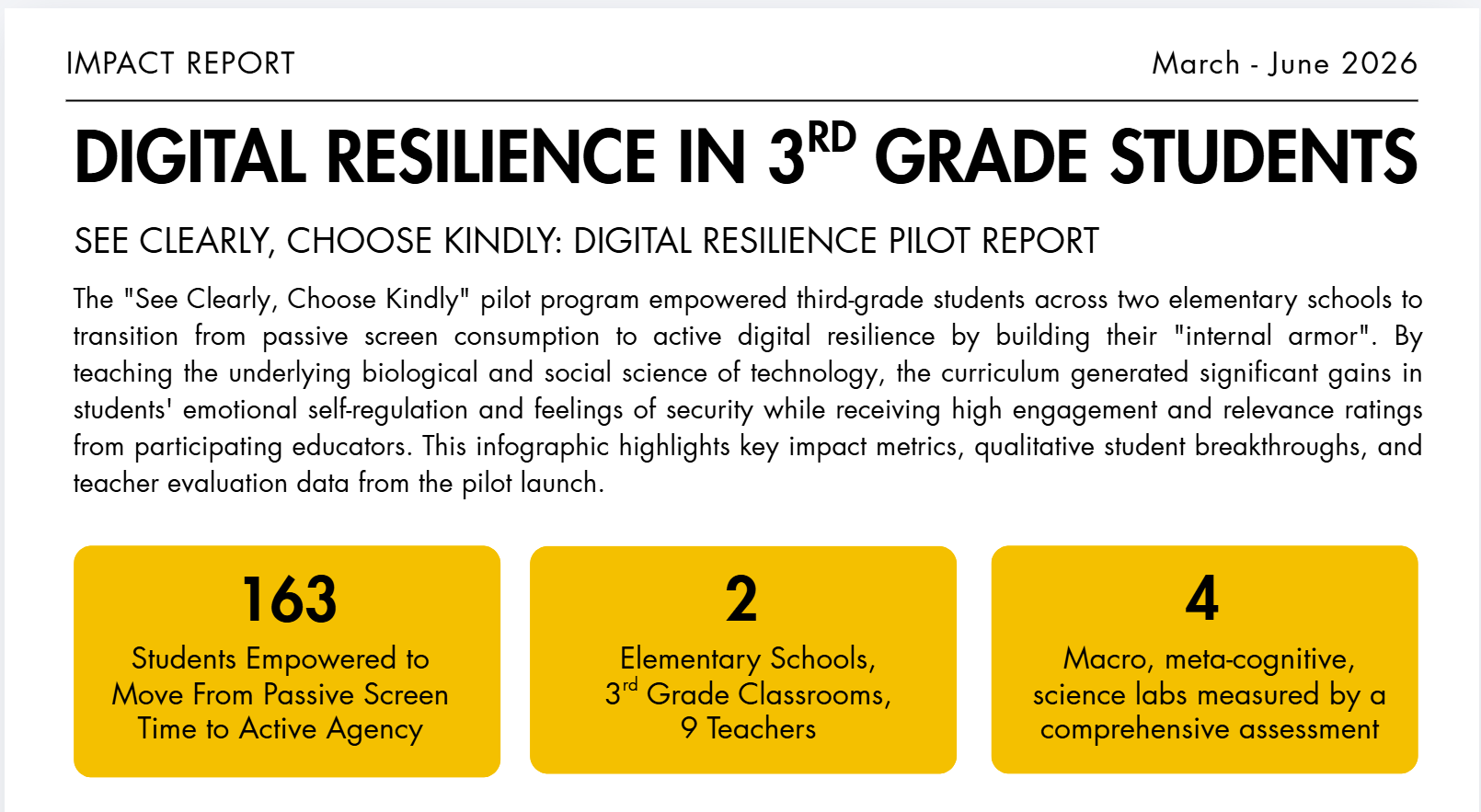
Digital Resilience in 3rd Grade Students: Impact Report
The "See Clearly, Choose Kindly" pilot program empowered third-grade students across two elementary schools to transition from passive screen consumption to active digital resilience by building their "internal armor". By teaching the underlying biological and social science of technology, the curriculum generated significant gains in students' emotional self-regulation and feelings of security while receiving high engagement and relevance ratings from participating educators. This infographic highlights key impact metrics, qualitative student breakthroughs, and teacher evaluation data from the pilot launch.
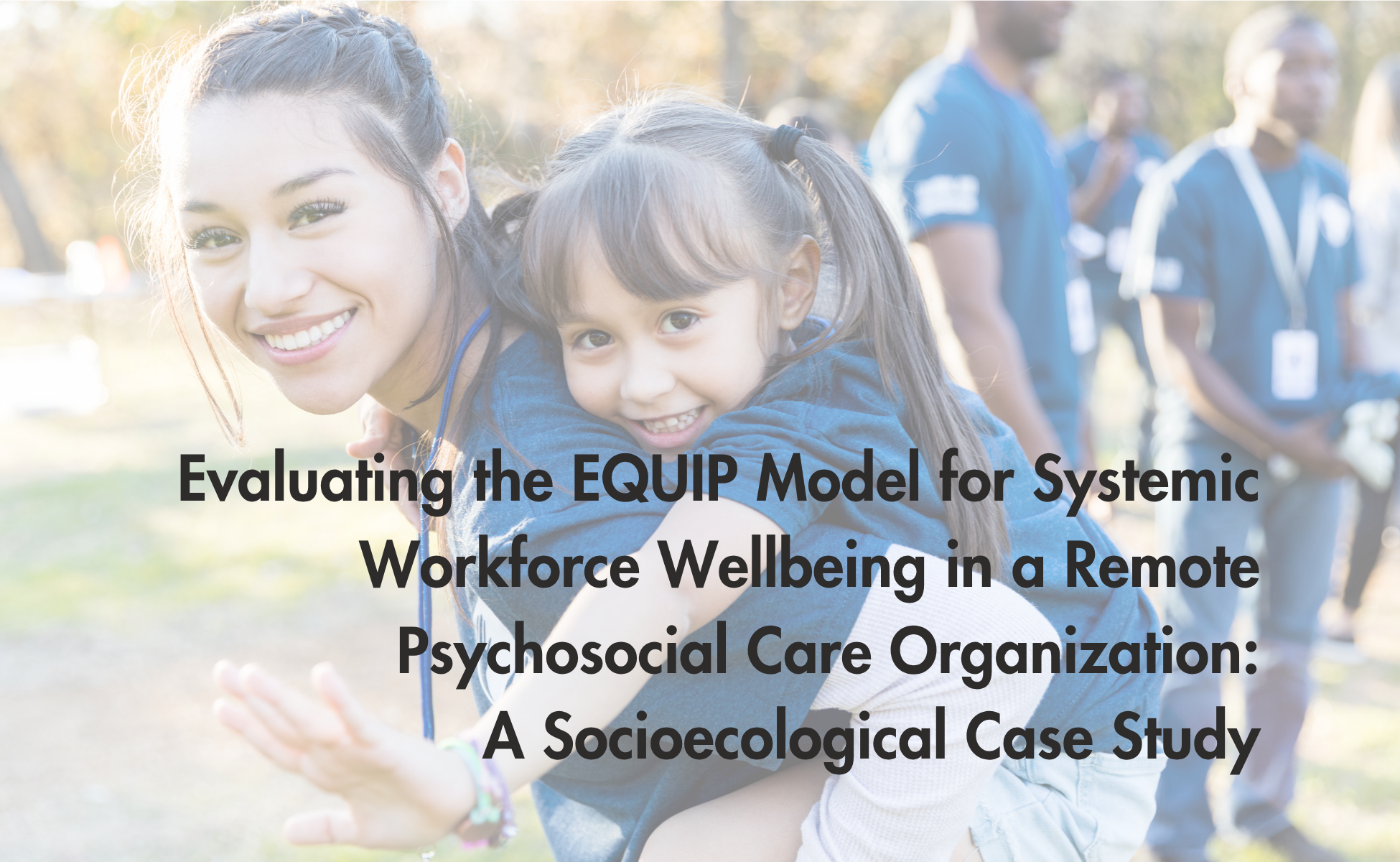
Evaluating the EQUIP Model for Systemic Workforce Wellbeing in a Remote Psychosocial Care Organization: A Socioecological Case Study of A Moment of Magic
This research informed case study evaluates the implementation of the EQUIP Model, a socioecological framework for applied preventive mental health, within A Moment of Magic (AMoM), a national psychosocial care organization utilizing play, connection, and mental health education to support children navigating medical challenges. The intervention aimed to transition workforce mental wellbeing from a transient, individual-level model to a proactive and integrated organizational strategy by utilizing MindArch Health’s MAP software. Over a 15-month period, the organization evaluated the mental wellbeing of its remote national workforce, identified a target protective factor within the 5-Elements of Systemic Wellbeing Framework, and utilized a collective data-to-action model to implement evidence-based organizational solutions.
The baseline assessment phase occurred during a period of organizational expansion and was characterized by significant workforce instability, resulting in the attrition of 12 team members during early organizational restructuring. Following the integration of the MAP framework and corresponding structural interventions, the organization observed a 50% reduction in subsequent turnover, with only two departures occurring among the specialized program staff post-intervention. Longitudinal data demonstrated an 11% improvement in psychological health within the targeted Valued domain. This study examines the structural mechanics of workforce optimization, demonstrating how systemic interventions function as a core determinant of service quality and institutional sustainability in remote care delivery ecosystems.
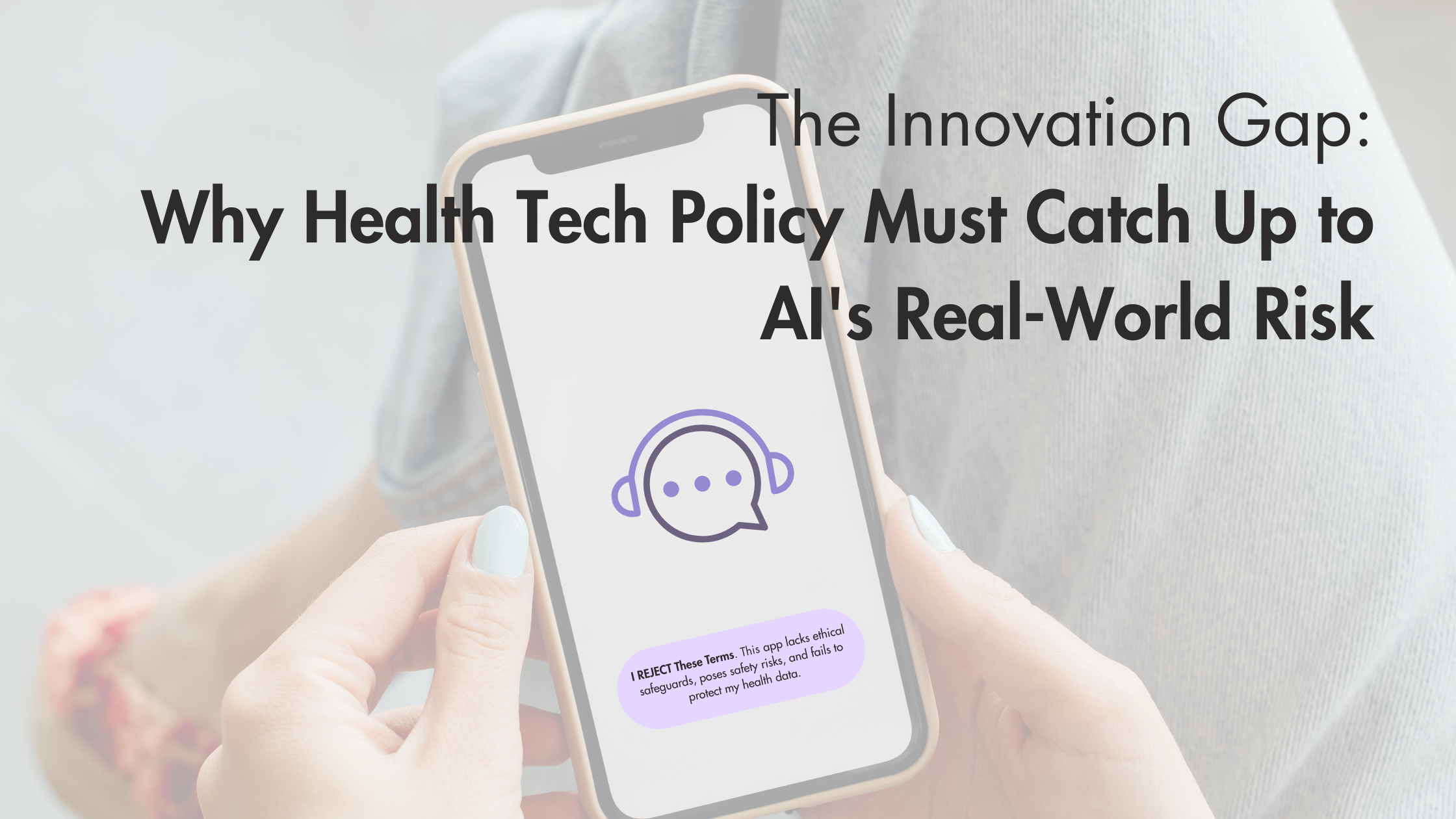
The Innovation Gap: Why Health Tech Policy Must Catch Up to AI's Real-World Risk
The promise of health innovation, particularly with the rise of Artificial Intelligence (AI) and advanced data analytics, is personally and professionally exciting. Yet, alongside these developments, we see “innovation” that fails to address tangible healthcare problems and could instead worsen patient outcomes and stress providers.

The value of prevention over intervention
What’s the emotional and economic value of a shift from reactive to proactive mental health practices?
Get more value.
Please let us know what interests you most and we will add content that can support you best.